
Persian and
Oriental Rug Cleaning
Oriental and Persian rugs are timeless investments — pieces of history and art you proudly display in your home. But beneath their beauty, they can harbour dirt and grime that often go unnoticed until it’s too late. Cleaning something so precious at home can be daunting. Read on for expert tips on oriental rug cleaning and persian rug cleaning.
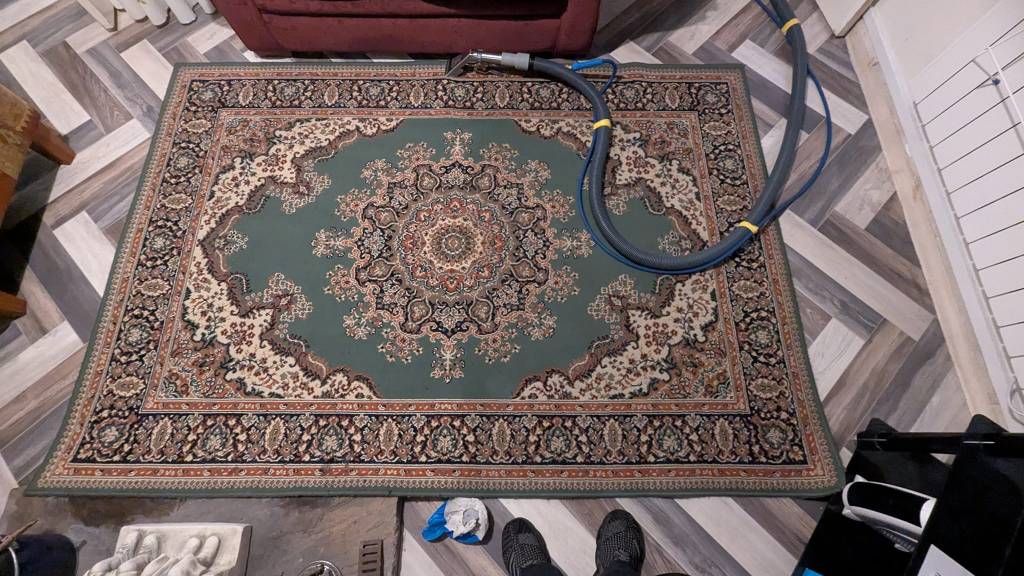
Know Your Rug & Its Cleaning Needs
The term Oriental rug covers a wide variety of designs, including Persian, Turkish, Chinese, and North African rugs — each with unique weaving techniques and materials. Most Oriental rugs are made from natural fibres such as:
- Wool
- Silk
- Cotton
- Blended or synthetic fibres
Understanding your rug’s material is essential when deciding how to clean an Oriental rug safely.
Wool rugs are durable and naturally stain-resistant but still require gentle cleaning.
Silk rugs are extremely delicate and should almost always be handled by professional rug cleaners.
Cotton foundations can weaken if exposed to excessive moisture.
Always check the care label if available. If you’re unsure about the composition or age of your rug, a professional assessment is the safest option. Using the wrong cleaning method can permanently damage fibres or cause dye bleeding. This Carpet Wiki Article is a good read, as it explains how to identify your rug’s heritage and composition if you’re unsure.
How Often Should You Clean a Persian or Oriental Rug?
Cleaning frequency depends largely on foot traffic and household conditions. Recommended professional cleaning schedule:
- High-traffic areas or homes with pets/kids: every 6–12 months
- Moderate use: every 12–18 months
- Low-traffic or decorative rugs: every 18–24 months
Even rugs that appear clean can trap airborne dust, allergens, and pests such as carpet moths. Regular inspections help catch early signs of fibre wear, odours, or insect activity before serious damage occurs. Many manufacturers and insurers also recommend routine professional rug cleaning to maintain warranties.
Quick Everyday Persian Rug Care Maintenance
Vacuuming:
- 1–2 times a week, but strictly only in the direction of the pile
- Avoid rotating brushes or beater bars, they will speed up wear and tear on the rug
- Be gentle around fringes, especially if your rug has tasseled or raw edges
- Is your rug silk or antique? It’s best to shake outdoors instead, due to its delicate make up
Spills & Stains:
- Blot spills immediately with a clean, dry cloth — don’t rub, as this can push the stain deeper.
- Work from the outside of the stain inward to prevent it from spreading.
- Avoid harsh cleaners or DIY solutions on delicate fibres; even well-meaning products can cause permanent colour bleeding.
- When in doubt, call a professional rug cleaner — they have the right tools and solutions for Persian and Oriental rugs.
Rotation & Sunlight:
- Rotate your rug every few months for even wear
- Keep out of direct sunlight to prevent fading
Furniture & Storage:
- Lift instead of dragging furniture over your rug
- When storing, roll (don’t fold) and wrap in breathable fabric
DIY vs Professional Rug Cleaning
DIY cleaning can be tempting, but rugs are delicate. Even “safe” products can:
- Bleed colours
- Shrink fibres
- Distort textures
Professional cleaning uses fibre-safe techniques, deep dusting, hand washing, and controlled drying to protect your rug and remove stubborn dirt and odours.
Frequentley Asked Questions
How do you clean a Persian rug properly?
Persian rugs should be cleaned using gentle, fibre-safe methods tailored to the rug’s material and dyes. Regular vacuuming helps remove surface dust, but deep cleaning should usually be carried out by a professional Persian rug cleaning specialist to avoid colour bleeding or fibre damage. Hand-washing and controlled drying are typically the safest methods.
Can you clean an Oriental rug at home?
Light maintenance such as careful vacuuming and immediate spill blotting can be done at home. However, deep cleaning an Oriental rug yourself is risky, especially for handmade or antique pieces. Household cleaning products and excess moisture can permanently damage natural fibres, so professional cleaning is strongly recommended for thorough results.
How often should Persian rugs be professionally cleaned?
Most experts recommend professional cleaning every:
- 6–12 months for high-traffic areas or homes with pets
- 12–18 months for moderate use
- 18–24 months for low-traffic or decorative rugs
Regular cleaning prevents dirt buildup that can weaken fibres over time.
What is the best way to remove stains from a Persian rug?
The safest first step is to blot spills immediately using a clean, dry cloth. Avoid rubbing or applying DIY stain removers, as these can spread the stain or damage dyes. For best results, stains should be assessed by a professional rug cleaning service as soon as possible.
Is professional rug cleaning worth it?
Yes — professional Oriental rug cleaning removes deep-embedded dust, allergens, and bacteria that household cleaning cannot reach. It also protects delicate fibres, preserves colour vibrancy, and helps extend the lifespan of valuable rugs, making it a worthwhile investment.
Can vacuuming damage an Oriental rug?
Improper vacuuming can cause damage. Always vacuum in the direction of the pile and avoid rotating brush bars or beater settings. Take extra care around fringes, which can easily become tangled or torn.
How long does professional rug cleaning take?
Cleaning times vary depending on size, material, and condition, but most professional rug cleaning processes take 3–7 days, allowing for proper washing and controlled drying to prevent shrinkage or odours.
Do Persian rugs hold dust and allergens?
Yes. Due to their dense weave, Persian and Oriental rugs can trap dust, pollen, and allergens deep within the fibres. Professional deep cleaning helps improve indoor air quality by removing these hidden contaminants.